

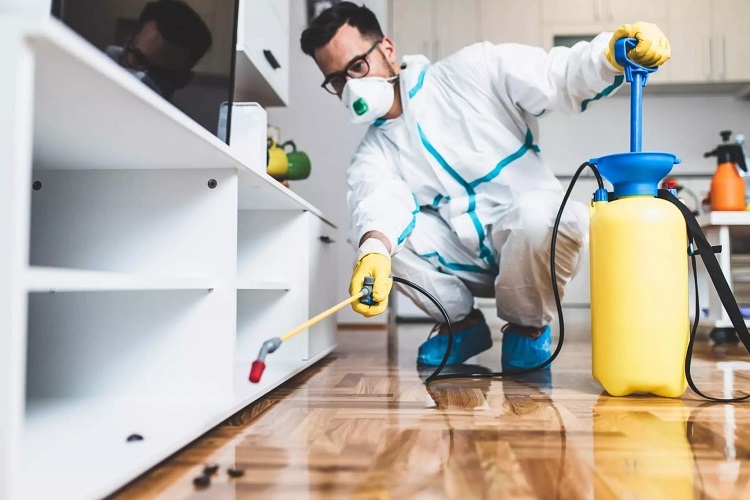
Retreatments for pest control can seem daunting, especially when they are a little out of the way. Oftentimes, homeowners are concerned about whether the first treatment was successful, when pests could come back, or if anything else needs to be done. After a pest control service, the next few days almost always come with inquiries regarding whether or not treatment was effective, how safe the treatment was/is, and the timeline for seeing a change in the situation.
Most pest control services involve follow-up visits as part of their overall treatment. These inspections are completed to verify that the treatment was successful and address any persistent pest activity. Collaborating with professionals with many years of experience during follow-ups ensures your long-term defence and the security of your family and home. Go here to learn more details about follow-ups and how to stay a step ahead with pest control.
Table of Contents
Why It Is Important to Take a Follow Up After a Pest Control Service
Regular follow-ups are a quality measure to ensure that your money for pest control does not go to waste. Most pest control applications do not work instantly- many take time for full effect, and some pests are not eradicated immediately after one use. Follow-up visits in the office help technicians determine if the treatment is working or if adjustments are needed.
Some pests are multiple-treatment pests and may take time to exterminate. The lives of insects like bed bugs, cockroaches, and ants are complicated, so there is a need for multiple applications. Moreover, re-visitation services also aid in the detection and treatment of possible re-infestations in time before they become serious issues. Regular inspections prevent minor pest problems from becoming full-blown infestations that may require more drastic measures.
What To Expect When Taking a Follow-Up
The second visit, pest control personnel also check out your property act in a way to determine the success of the first treatment. They will inspect the area where you have seen pest activity and search for signs of a new infestation. The examination is used to assess whether further treatment is required.
However, you will have to be realistic, as 90% success is generally expected after 60 days for professional pest control, but the timing and results depend on the species and severity of infestation. When it is over, your specialist will follow up with a log of any remaining pests and let you know what your next treatment steps should be.
The visit may also consist of more treatments, closing off entry points, or advice on how to avoid future invasions. Techs will also respond to any questions you have about how the treatment works or how to keep pests out of your home.
Tips to Remember
Schedule Follow-ups Promptly
Schedule another appointment following what your technician advises. The majority of pest control professionals recommend a following appointment 2-4 weeks after the first treatment. Failure to make follow-up visits in a timely manner can have a negative impact on treatment success and promote the resurgence of insect pests.
Monitor Pest Activity
Monitor for any pest presence in the period between visits. Pay attention to where, when, and how many critters you find. This information assists your technician in gauging how the treatment is working and pinpointing areas that require further attention.
Maintain Cleanliness Standards
Keep following your pest control company’s cleaning and preparation directives. Good sanitation helps in the effectiveness of the treatment and stops conditions that would attract new pests. That means getting rid of food sources, getting rid of standing water, and keeping things clean and uncluttered.
Document Treatment Areas
Snap pics of treated areas before follow-up visits and after. This record-keeping helps to monitor progress and also provides useful information to make future control decisions. Having records – visual ones also allows you to better describe any ongoing pest issues (or improvements) to your pest control technician.