

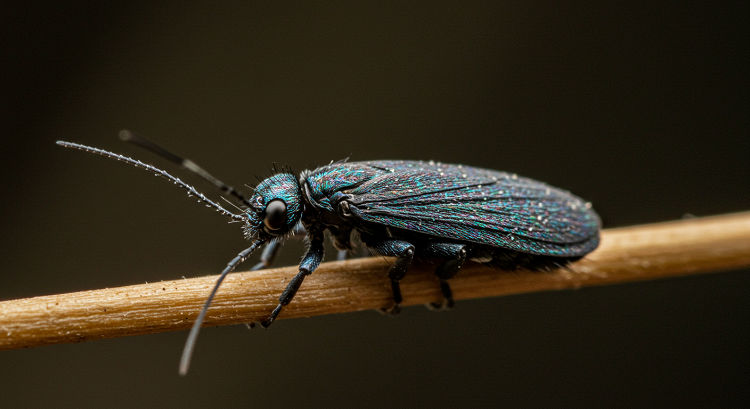
For Damascus residents, spring is a welcome relief: dogwood trees bloom along the neighborhoods, temperatures rise into the comfortable 60s and 70s, and the town plans numerous outdoor events. But those wonderful changes of season that make Damascus so lovely also provide the ideal environment for an uninvited party in your home: termites.
Usually, pests in Damascus, particularly Termite activity, typically begin to increase as the weather starts to warm up in spring, so while you are enjoying the mildness above ground, your foundation and walls are becoming home to a lot of termites just below.
Table of Contents
Why Termite Activity Peaks in Local Damascus Neighborhoods?
Spring Temperature Triggers Termite Swarms
During March and into April, temperatures warm steadily in Damascus, from an average of 45° to 65°, a range that tells the native termite colonies to spread. By far the most common type of termite in Damascus, subterranean termites are vying for food when the soil temperatures consistently hit 55°F or warmer.
Maryland Department of Agriculture data shows there are about 15% more reports of termites in spring in Damascus than at other times of the year. In neighborhoods here, such as Laytonsville and Clarksburg, termite swarms generally happen between mid-March and the early part of May
Moisture Conditions Support Colony Growth
Spring sees more rain in Damascus, where March usually enjoys 3.2 inches of precipitation per month. The moisture allows termite colonies to thrive. Because termites thrive in consistent moist conditions, the spring climate in the Damascus area offers all that they desire to create new colonies and extend the existing ones.
What Makes Damascus’s Spring Weather Ideal for Termites
Humidity Levels Create Perfect Breeding Conditions
In spring, the humidity in Damascus is around 60–70%, which helps the termites keep their required amount of moisture. In drier climates, ants are found, coupled with, but the colonies of termites in Damascus tend to multiply quickly in the spring due to the constant humidity.
High temperatures and humidity, coupled with hotter ground temperatures, are just what insect control experts in Damascus refer to as the “termite period.” That period is generally from late March to early June, when the conditions are consistently conducive for termites to thrive.
Seasonal Rainfall Patterns Support Termite Movement
During spring, rainfall in Damascus can be about 3-4 inches a month, which gives the ground the moisture termites require to dig and form a new colony. With the return of spring and warmer weather comes an uptick in moisture, breaking winter’s dormancy and causing termites to become more rapacious in finding new sources of food: i.e., the wood in your home.
The Need for Professionals To Solve Your Termite Problem
Most homeowners do not have the expertise or equipment necessary to get rid of a termite infestation. The pros have more knowledge of how termites behave in the climate of Damascus and what to look for, including signs of a termite infestation that may be invisible to a homeowner without training.
Established local services like Green Pest Services have proven to be trusted solutions over the years. They craft in-depth termite inspections and personalized treatment plans that will keep several Damascus homes free of these pests. They know the local weather patterns that affect termite behavior and can advise on prevention for the particular climate conditions that exist in your unique region of Damascus.
With termites creating as much as $5 billion a year in property damage throughout the country, professional treatment is crucial. Spring weather in Damascus also creates extended termite ideal conditions, so early professional help not only prevents structural damage that can cost you an expensive repair but also protects the value of your home for a long time.